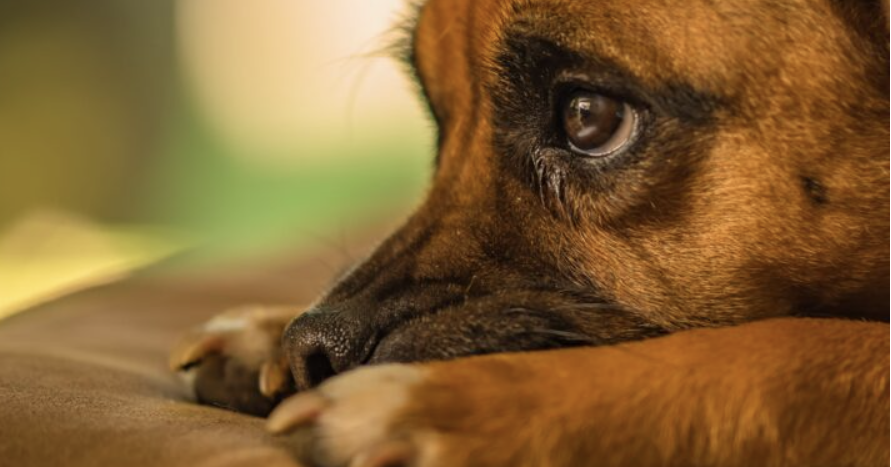
More and more in my consultations I am being presented with dogs that have high levels of dog anxiety. This is akin to what we would call GAD (General Anxiety Disorder) in humans. This trend correlates with the lockdown puppies, but many dogs born outside lockdown are also presenting high levels of anxiety.
The dog anxiety itself is a symptom of other underlying issues. Common causes include poor gut health, early neutering, genetics, learned behaviour, and lifestyle factors. Dogs with high anxiety often exhibit symptoms such as being anxious when left alone, reactivity and aggression, being unable to settle, restlessness, excessive energy levels, and fear.
It is vital to understand dog anxiety to effectively address these issues and ensure a happy and healthy pet.
It is important to help dogs suffering from dog anxiety because, left untreated, it can have damaging long-term effects on the dog’s mental and physical wellbeing. Too much stress hormone in the body can lead to diabetes, adrenal fatigue, and a shorter lifespan.
When I work with a dog that presents unwanted behaviours linked to dog anxiety, I like to do a complete overhaul of the dog’s life and lifestyle. I look at everything from diet to exercise, daily routine, toxin intake, and owner attitude.
Understanding Dog Anxiety and Its Effects
Understanding the impact of dog anxiety on a dog’s behaviour is critical for pet owners.
It is crucial to address dog anxiety early to prevent further complications.
Addressing dog anxiety is essential for ensuring a happy and healthy pet.
It has been proven that the gut is directly linked to the brain via the vagus nerve. Supporting good gut health will promote healthy brain function.
You only have to think about how you might feel after eating a tonne of junk food, compared to eating a nice healthy meal. I firmly believe in a raw diet for dogs. Raw food is not processed and contains more ‘good’ bacteria than processed food, which supports the microbiome. The microbiome is often called the second brain. Additionally, 90% of serotonin (the happy hormone) is produced in the gut.
We must feed the gut well, especially in dogs affected by dog anxiety.
Raw meat contains essential amino acids such as tryptophan. Tryptophan produces serotonin (the happy hormone) and melatonin (the sleepy hormone).
Many dogs nowadays are not getting enough sleep. This is partly due to lifestyle but also because of energy levels from their diet.
I see it all the time during my consultations: high-energy dogs that can’t settle. This is why one of the first things I recommend for anxious dogs is a change to a raw diet.
Another area I will explore under a behaviour modification programme is lifestyle, exercise, and stimulation. I aim to achieve appropriate mental and physical exercise.
Letting your dog continuously retrieve a ball to ‘tire it out’ is not recommended. This practice will only produce excessively high levels of adrenaline and cortisol, which can take days to leave the system and can prevent the dog from being able to settle.
A much more beneficial walk would involve sniffing and exploring different natural terrains and surfaces. Working the dog’s olfactory system will be mentally tiring without making the dog wired.
Twenty minutes of sniffing is equivalent to a long walk, so you don’t need to walk for hours to provide your dog with a workout.
I definitely encourage lots of ‘nose’ work for anxious dogs, including scent games and exploring. This releases endorphins, which will greatly help anxious dogs calm and settle.
We can also help anxious dogs by teaching them to self-regulate via training and games involving self-control. This can include waiting, pausing, down-stays, and so on. As the dog becomes more proficient, we can increase the length of time.
Start with a few seconds or as long as your dog can manage, with low-level distractions, for example, within the home. Gradually increase the duration and distractions.
Sleep is also really important. Many of the dogs I see with anxiety lack sleep, either due to the anxiety itself preventing them from relaxing or due to environmental factors such as noise, children disturbing the dog, phobias, and over-stimulation.
Create an environment for your dog where it can truly relax and where it knows it will be undisturbed. Feeling on edge will prevent the mind from switching off because the dog will be in a fight-or-flight state.
Sleep does not come in this state of mind. Dogs that get pestered and startled by young children can struggle to relax over time, as they are continuously expecting to be disturbed.
Establish a safe area where the dog will not be disturbed by people or noises.
Natural supplements may help, and prescription medication will certainly help reduce anxiety. However, I would only recommend this if the dog has extreme anxiety and alongside the behaviour modification programme.
If your dog is suffering from anxiety, seek the help of an experienced behaviourist who will adopt a holistic approach.
Patricia McGrady is owner and founder of Be More Dog Essex. She is certified with the CIDBT, a Kids Around Dogs professional, and a certified full member of the Canine and Feline Behaviour Association
www.facebook.com/bemoredog.co.uk
info@bemoredog.co.uk